
If you’ve spent any time around Sydney clubs or online lobbies, you’ll know a tournament feels different when the scoring is built on clusters rather than paylines. The whole thing shifts how you pace your spins, how you chase a leaderboard spot, and how you manage the AUD balance while the event runs. We’ve run affiliate campaigns and VIP tables long enough to spot when a format is just noise and when it actually rewards a steady hand. This piece looks at how a cluster pays pokie tournament AUD setup plays out for real players, with the payment flow and cashout steps kept front and centre.
How the cluster scoring shapes your tournament run
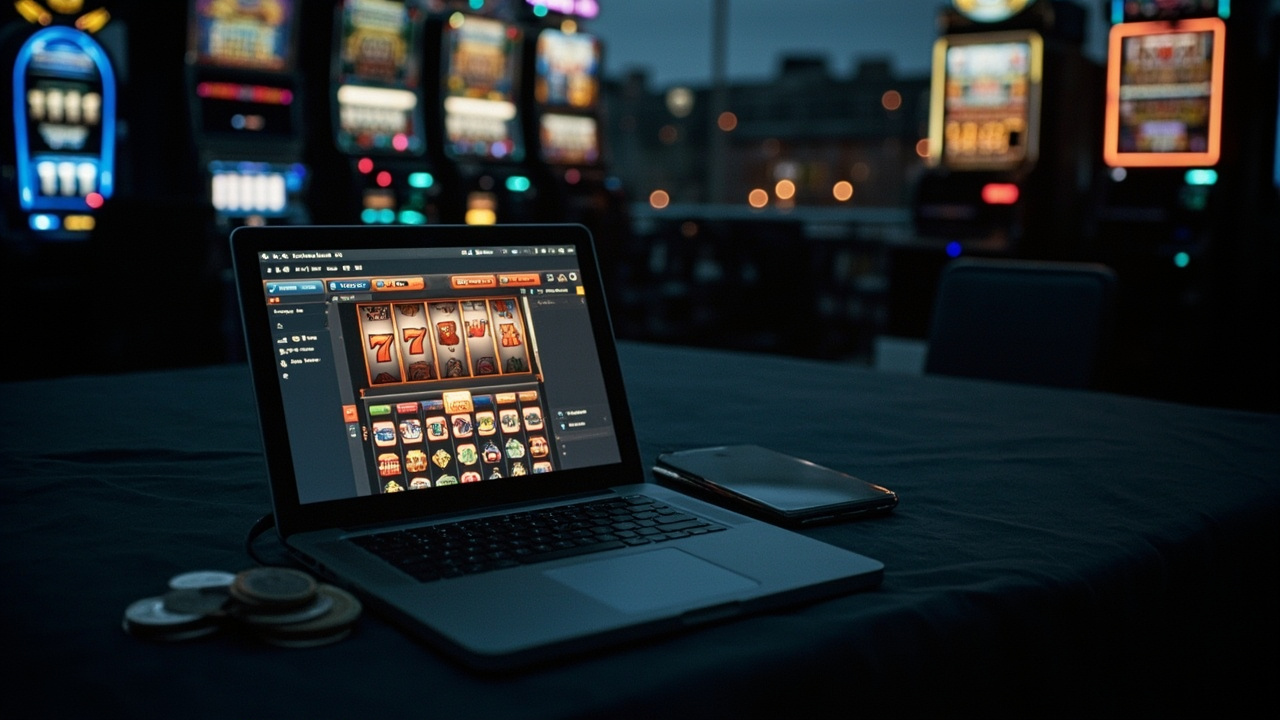
A cluster pays pokie tournament AUD event rewards you for dropping matching symbols into adjacent groups, not for lining them up across fixed rows. That changes the rhythm straight away. You’re not chasing a single big line hit; you’re watching the board clear and rebuild, trying to seed a few strong clusters before the timer runs down. From a casino floor perspective, it’s a bit like baccarat – Baccarat shares its name with a famous French crystal manufacturer, though the game came first in name – because the appeal sits in the pacing and the read of the table, not in a flashy gimmick.Slots com Cluster Pays e a
For players who like a methodical run, the format can suit a calm, repeatable style. You’re usually aiming to keep the screen active, letting cascading drops open fresh gaps, and banking a few solid scoring bursts rather than burning through spins on one long shot. It’s not a free pass to the top of the leaderboard, and the prize pool split still depends on how the event is structured, but the cluster mechanic does give you a clearer sense of where your spin went. If you want a closer look at how the mechanic feels in a live lobby, our spinsamurai review walks through a recent setup and what players reported on the scoring pace.
Who the format fits best on the leaderboard
The cluster pays pokie tournament AUD setup tends to suit two broad player styles, and a third group usually ends up watching from the sidelines. First, there’s the steady grinder who treats the event like a measured session rather than a sprint. That player keeps the bet size sensible, lets the board reset naturally, and aims for a consistent cluster cadence instead of forcing big volatile swings. In my experience running VIP lists and affiliate promos, the players who actually climb this way are the ones who treat the leaderboard as a pacing tool, not a slot machine promise.
Second, there’s the session player who wants a focused arvo run with a clear entry point and a defined stop. This person usually reads the event rules once, sets a deposit limit in AUD, and plays until the timer or the balance says otherwise. That’s a workable fit if the tournament entry is straightforward and the cashier doesn’t make you jump through hoops just to confirm your stake. A third group – players chasing a single huge hit to leapfrog the table – usually finds the cluster format frustrating, because the scoring rewards repetition and board control more than one-off spectacle.
Deposits, withdrawals and the AUD cashier flow
Money movement is where a lot of tournament play either feels organised or turns into a faff, and the cluster pays pokie tournament AUD setup is no different. A clean cashier should let you fund the account in AUD, see the tournament entry deducted or credited without a messy conversion step, and keep the balance readable while the event is live. On the withdrawal side, the key thing is that the process doesn’t suddenly ask you to re-verify everything just because you played in a tournament rather than a plain spin session.
I’ve seen payment setups that look fine on the deposit side but slow right down once a player wants out, which is exactly the kind of thing Adam Brown, Payments Strategy Director, Koala Digital Group, warns about when operators stack too many steps between the game and the cashier. His take is that a tournament flow should keep the payment path predictable, because players notice when the entry is easy but the cashout feels like a separate project. The practical bit for an Australian player is simple: check that AUD is the working currency, that the deposit method you actually use is supported, and that the verification you complete upfront still covers the withdrawal you want later.
| Cashier point | What to check before you enter |
|---|---|
| Currency | AUD shown as the base balance, not a converted figure |
| Deposit path | Method you use is listed and the entry deducts cleanly |
| Verification | Account checks done once and still valid for withdrawal |
| Withdrawal timing | Processing window stated plainly, not buried in fine print |
| Limits | Deposit and withdrawal limits fit the session you planned |
Mobile play, support and a sensible session plan
Mobile play is where most Australians will actually sit down for a cluster pays pokie tournament AUD run, and the experience needs to hold up without turning into a squinty, thumb-worn mess. The screen should keep the cluster board readable, the timer visible, and the balance easy to check without drilling through three menus. If the lobby feels cramped or the tournament panel hides the rules, you’re usually better off waiting until you can play properly rather than forcing it on a crowded train ride home.spinsamurai review
Support matters more than people admit, especially when a tournament has a live window and a leaderboard that’s moving. A decent setup gives you a clear way to ask a question and get a straight answer, not a generic loop that sends you back to the FAQ. Evie Williams, Head of Product, Pacific Player Protection Institute, has pointed out that tournament formats need clearer session cues because players can lose track of time when the scoring is continuous rather than spin-by-spin. Her point is a useful one: set your own stop before you start, keep the bet size aligned with the session you actually want, and treat the leaderboard as a scoreboard, not a payout promise. If you’re keen on how a cluster-based lobby feels in practice, there’s a useful read on gokkasten met cluster pays that covers the mechanic from a player’s angle.
A tournament like this works best when you treat it as a timed event aviamastersgameau.com with a clear entry and a clear stop, not as a way to turn a modest balance into something it isn’t. The cluster scoring gives you a readable rhythm, the AUD cashier keeps the money side straightforward if it’s set up well, and the mobile play only feels right when the board and timer stay visible without fuss. If the event matches your style and the payment flow is tidy, it can be a solid way to spend a focused session; if not, there’s no point forcing it just because the leaderboard is live.